Not all video production is the same — and choosing the wrong type of videography for your project is one of the most common (and costly) mistakes marketing teams make. Here's a clear breakdown of the main videography service types, what each one is actually for, and how to know which fits your brief.
Event videography
Event videography covers conferences, trade shows, product launches, awards ceremonies and brand activations. The core deliverable is usually a highlights film — a punchy, music-led edit that captures the energy, key moments and atmosphere of the day. Secondary deliverables often include full session recordings, speaker interviews and social-ready clips cut to vertical formats.
The defining characteristic of good event videography is adaptability. Events don't follow a script — the videographer needs to anticipate moments, move quickly, and operate independently without disrupting the event. Turnaround time matters here: a highlights video published the day after your event will generate far more engagement than one published two weeks later.
Corporate interview and talking head video
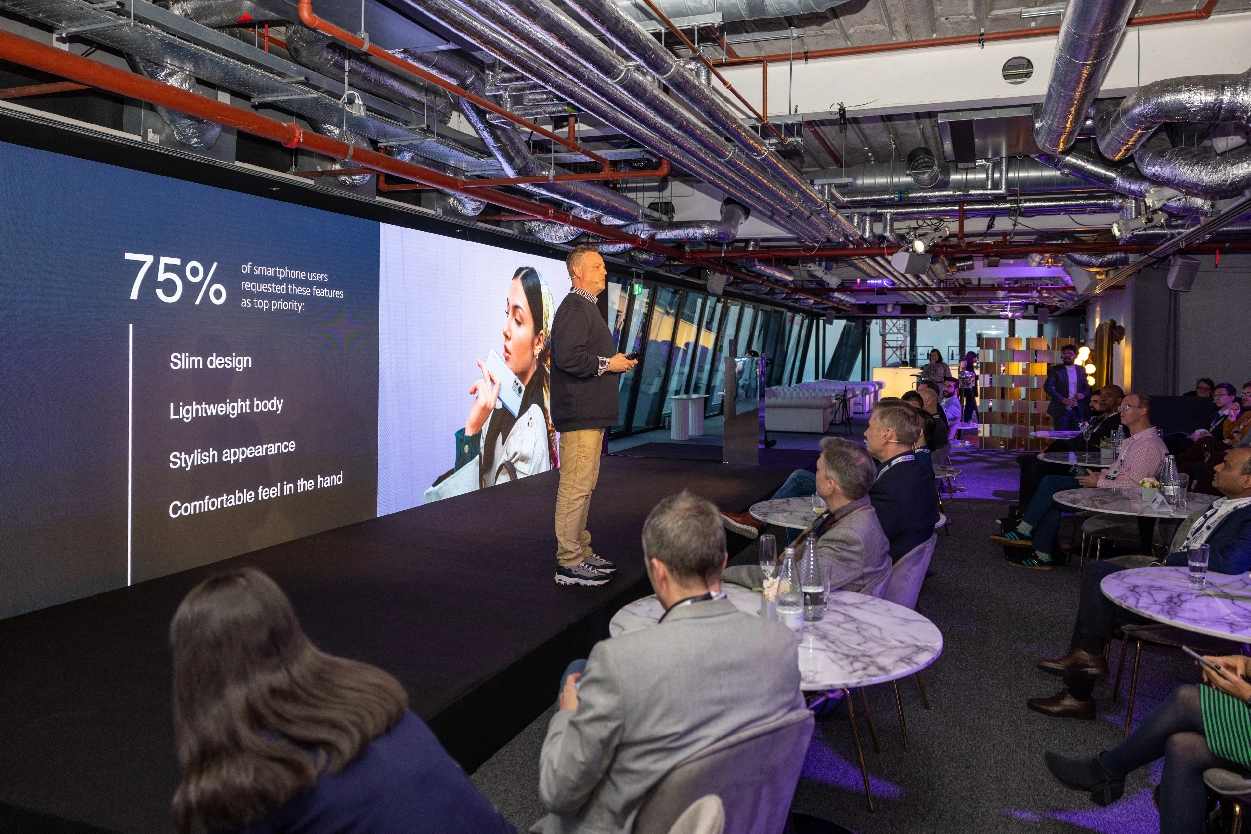
Xiaomi product launch — event videography in action
Honor 10 Global Launch — live event coverage
This is the most controlled format in video production. A corporate interview setup typically involves a fixed camera, a carefully lit background, a lapel microphone and a subject speaking directly to camera or in conversation. The applications are wide: CEO communications, customer testimonials, product explainers, fireside chat recordings and thought leadership content.
Quality in this format comes down to audio, lighting and the ability to make the subject feel at ease on camera. A tense, stilted interview edit is noticeable regardless of how good the camera is.
Brand film
A brand film tells your company's story — who you are, what you stand for, and why it matters to your customers. Unlike a corporate interview or event highlights film, a brand film is usually scripted or at least heavily planned, and tends to be the highest-production-value piece in a company's content library.
Good brand films are used for years across multiple channels: website hero sections, investor decks, sales presentations, LinkedIn and recruitment campaigns. The investment is higher than other formats, but the lifespan is too.
Social media video production
Social video is a distinct discipline. Content that performs on LinkedIn, Instagram Reels or TikTok is shot and edited differently to content designed for a website or a conference screen. Vertical formats (9:16), fast pacing, front-loaded hooks and on-screen text are all standard — the goal is to stop the scroll within the first two seconds.
For consumer electronics clients in particular, social video covers a wide range of formats: device unboxings, hands-on first-look videos, camera comparison reels and KOL collaboration shoots. The key is platform-native thinking from the very start of production.
Video case study
A video case study turns a client success story into persuasive content. The typical format involves filming at the client's location, conducting on-camera interviews with key stakeholders, and weaving in b-roll footage that illustrates the context and outcome. The edit is usually between two and five minutes, structured around the challenge the client faced, what was done, and the results.
Video case studies are one of the highest-converting content formats in B2B marketing — a well-produced one can be used throughout the sales funnel for months or years.
Serco customer success case study video
How to choose
Start with where the video will live and who will watch it. A LinkedIn audience scrolling on mobile needs something very different to a room full of conference delegates or a sales team presenting to prospects. Matching the format to the context — rather than defaulting to whatever format you've used before — is what produces results rather than just content.